Hemp Seed Oil Capsules: What to Look For and Why Purity Matters More Than the Label Claims
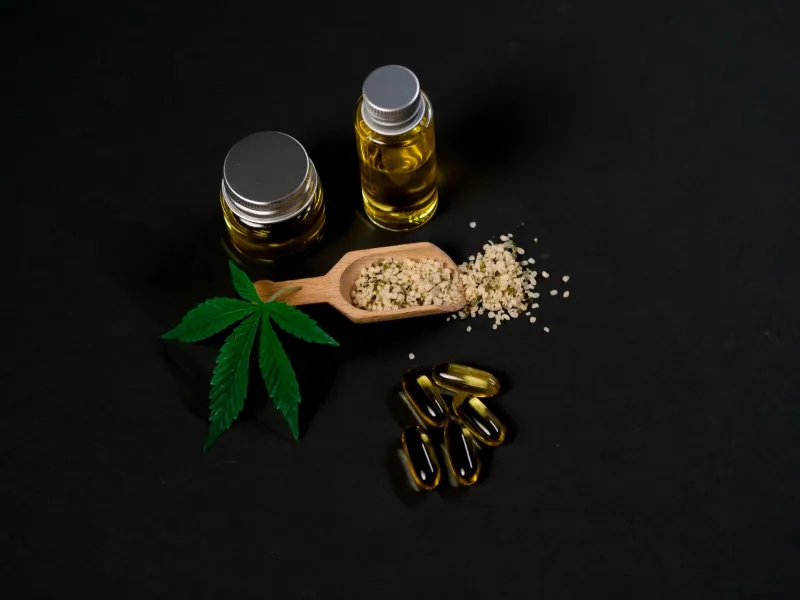
Hemp seed oil capsules have become a staple on the shelves of health-conscious consumers across the United States. Marketed for their rich fatty acid profile, potential anti-inflammatory properties, and nutritional density, these supplements attract buyers ranging from athletes to older adults managing joint discomfort. Yet the quality of hemp seed oil capsules varies considerably from one product to the next — and the factors that separate a genuinely beneficial supplement from a substandard one are rarely explained on the packaging.
This guide examines what hemp seed oil actually contains, what to prioritize when evaluating capsules, and why environmental and production purity should be among your top considerations.
What Hemp Seed Oil Contains — and What It Does Not
It is important to clarify a common point of confusion: hemp seed oil is not the same as CBD oil. Hemp seed oil is cold-pressed from the seeds of the Cannabis sativa plant and contains no meaningful concentration of cannabidiol (CBD) or THC. Its primary value lies in its nutritional composition.
Hemp seed oil is notably rich in:
- Omega-3 and omega-6 fatty acids in an approximately 3:1 ratio, which many nutrition researchers consider close to optimal for human health
- Gamma-linolenic acid (GLA), an omega-6 fatty acid associated with hormone regulation and inflammatory response
- Vitamin E, a fat-soluble antioxidant that plays a role in immune function and skin integrity
- Trace minerals, including magnesium, potassium, and zinc
This fatty acid profile is the primary reason hemp seed oil is categorized as a functional food supplement. It supports cardiovascular health, skin barrier function, and general inflammatory balance when consumed consistently as part of a broader wellness routine.
Why Capsule Form Is Worth Considering
Liquid hemp seed oil has a relatively short shelf life and can oxidize quickly when exposed to light, heat, or air — all of which degrade the quality of the fatty acids and reduce its nutritional value. Capsules address this vulnerability by enclosing the oil in a protective shell that limits exposure to environmental factors.
For consumers who take supplements on the go or prefer precise dosing without measuring out liquid oil, capsules also offer a practical advantage. Softgel capsules in particular are widely used because they preserve the oil's integrity effectively and are easy to swallow.
Key Criteria for Evaluating Hemp Seed Oil Capsules
1. Cold-Pressed Extraction
The extraction method used to obtain the oil significantly affects its nutritional quality. Cold-pressing preserves the heat-sensitive fatty acids and antioxidants that give hemp seed oil its value. Products that use heat-based or solvent-based extraction may yield oil with a diminished nutrient profile. Look for labels that explicitly state cold-pressed processing.
2. Third-Party Testing and Certificates of Analysis
Reputable manufacturers submit their products to independent laboratories for testing. A Certificate of Analysis (COA) should confirm the fatty acid composition, the absence of harmful contaminants such as heavy metals, pesticide residues, and mycotoxins, and verify that THC levels are below the federal legal threshold of 0.3 percent. Brands that make their COAs publicly accessible — either on their website or by QR code on the packaging — demonstrate a higher standard of transparency.
3. Organic Sourcing and Agricultural Standards
Hemp is a bioaccumulator, meaning the plant readily absorbs substances from the soil in which it grows — including heavy metals, pesticides, and other environmental contaminants. Hemp grown in contaminated soil can produce oil that carries those same contaminants into the final capsule. Certified organic hemp, grown without synthetic pesticides or herbicides, significantly reduces this risk. USDA Organic certification is the most reliable signal of clean agricultural sourcing in the US market.
4. Capsule Shell Composition
Softgel capsules are typically made from either gelatin (animal-derived) or plant-based alternatives such as tapioca or carrageenan. For consumers following vegetarian or vegan diets, the capsule material matters. This information should be clearly disclosed on the product label.
5. Added Ingredients and Fillers
Some manufacturers include additional ingredients such as carrier oils, preservatives, or flavoring agents. While not inherently harmful, unnecessary additives can dilute the product or introduce allergens. A clean ingredient list — ideally containing only hemp seed oil and the capsule material — is generally preferable.
The Purity Dimension: Why Your Environment Affects Supplement Value
An aspect of supplementation that is rarely discussed is the environment in which you store and consume your supplements. Fatty acid-based supplements like hemp seed oil capsules are particularly sensitive to oxidation. Storing them in a warm, humid cabinet — or in a kitchen near heat sources — accelerates the degradation of the oils even within sealed capsules over time.
Beyond storage, there is the broader question of what your body is managing while you supplement. If your indoor air quality is poor — characterized by elevated particulate matter, volatile organic compounds, or biological contaminants — your body's antioxidant resources are being consumed to address those environmental stressors. This means the vitamin E and fatty acids in your hemp seed oil capsules may be working against a larger oxidative burden than they would in a cleaner environment.
This is not a hypothetical concern. Research on indoor air pollution consistently demonstrates that Americans spend approximately 90 percent of their time indoors, and indoor air can carry two to five times the pollutant concentration of outdoor air. Supplements that support inflammatory balance and antioxidant status are most effective when the body is not simultaneously managing a chronic low-level environmental load.
Similarly, if you are washing down your capsules with tap water that contains chlorine byproducts, heavy metals, or other contaminants, those substances interact with your digestive environment and can interfere with nutrient absorption. Filtered water — free from common municipal treatment residues — is a straightforward way to ensure that your supplementation routine is not being quietly undermined at the most basic level.
Dosage Considerations
Most hemp seed oil capsule products recommend one to two softgels per day, typically providing between 1,000 mg and 2,000 mg of oil per serving. There is no established Recommended Dietary Allowance (RDA) for hemp seed oil specifically, but general guidance for omega fatty acid supplementation supports consistent daily use over episodic consumption for best results. As with any supplement, consulting a healthcare provider before beginning a new regimen is advisable, particularly for individuals who are pregnant, nursing, or managing a chronic health condition.
A Practical Summary
When evaluating hemp seed oil capsules, prioritize:
- Cold-pressed extraction to preserve nutritional integrity
- Third-party COA verification for contaminant screening and composition accuracy
- Certified organic sourcing to minimize heavy metal and pesticide exposure
- Transparent labeling with minimal unnecessary additives
- Appropriate storage away from heat, light, and humidity
And consider the broader wellness context: the purity of what you breathe, drink, and absorb daily shapes how effectively any supplement can do its job. Hemp seed oil capsules are one component of a health-supportive routine — but they perform best when the environment around them is equally clean.