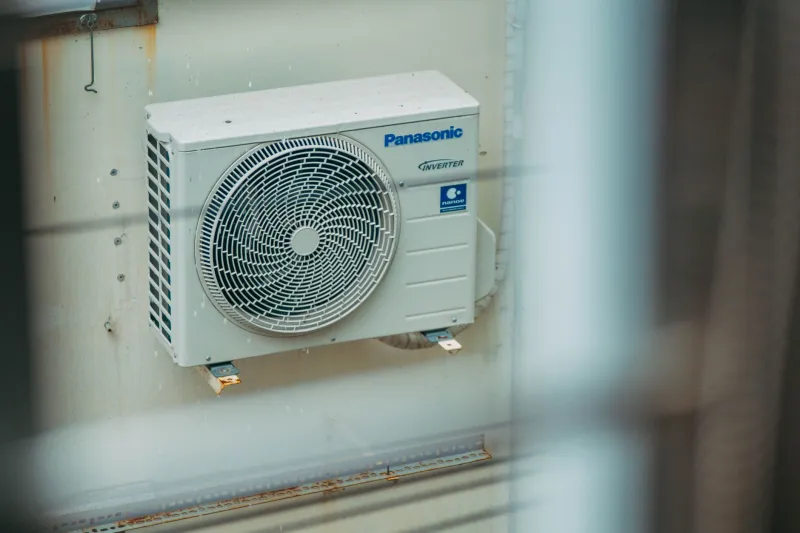
Why Commercial Gyms Breathe Better Than Your Home Setup — And What You Can Do About It
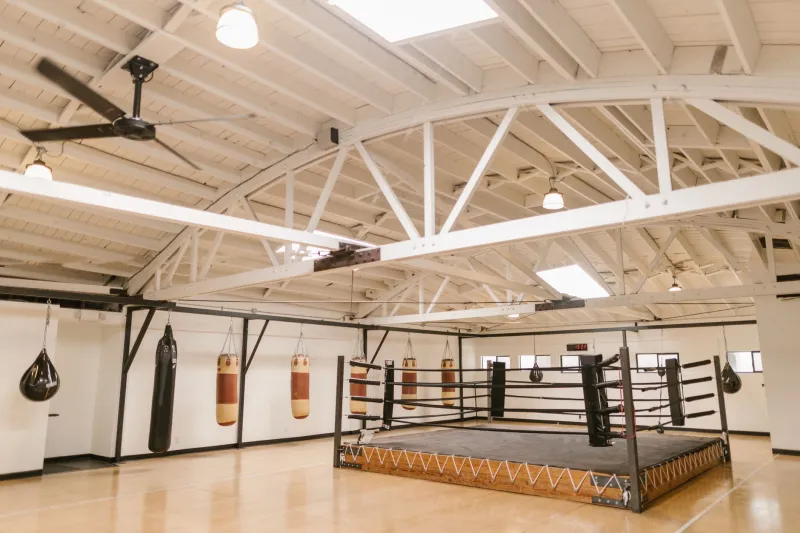
When you step onto the floor of a well-maintained commercial gym, you may not consciously notice the air. That is precisely the point. The ventilation systems running quietly overhead are doing significant work — cycling stale air out, pulling fresh air in, and maintaining particulate levels that support physical exertion. In most home training environments, none of that infrastructure exists by default.
The result is a performance variable that rarely appears in fitness programming, nutrition guides, or recovery protocols — yet it shapes every single workout you do at home.
The Regulatory Foundation That Commercial Facilities Must Meet
Commercial gyms in the United States are subject to building codes and occupational standards that mandate minimum ventilation rates. The American Society of Heating, Refrigerating and Air-Conditioning Engineers (ASHRAE) Standard 62.1 specifies outdoor air ventilation requirements for commercial spaces based on occupancy and floor area. For fitness centers specifically, these requirements are considerably higher than for standard office or residential environments, reflecting the elevated breathing rates and metabolic output of people exercising.
Beyond ventilation volume, large facilities typically deploy HVAC systems with commercial-grade filtration, humidity control, and in many cases, ultraviolet germicidal irradiation (UVGI) components designed to reduce airborne pathogens. Some higher-end facilities have invested in real-time air quality monitoring that allows facility managers to respond dynamically to CO₂ buildup or particulate spikes.
Your spare bedroom, converted garage, or basement gym has none of these mandates. And unless you have taken deliberate steps to address air quality, it likely has none of these systems either.
What Happens to Your Body When Air Quality Declines During Exercise
The physiology here is not subtle. During moderate to intense exercise, your respiratory rate increases dramatically — an adult at rest breathes roughly 12 to 15 times per minute, while someone performing vigorous exercise may breathe 40 to 60 times per minute. That rate multiplies your exposure to whatever is suspended in your training environment.
Elevated carbon dioxide levels — a byproduct of your own exhalation in a poorly ventilated space — impair cognitive function and contribute to perceived exertion. Research has consistently linked CO₂ concentrations above 1,000 parts per million (ppm) to measurable declines in decision-making and focus. In a sealed room where you have been training for 30 minutes, concentrations can exceed that threshold with little warning.
Particulate matter tells a parallel story. Fine particles (PM2.5) penetrate deep into lung tissue, and during exercise — when you are inhaling more forcefully and more frequently — the dose delivered to your respiratory system increases proportionally. Chronic low-level exposure has been associated with reduced VO₂ max, the gold-standard measure of aerobic capacity. In practical terms, you may be working harder than your fitness level should require, not because of inadequate conditioning, but because your air is quietly limiting oxygen utilization.
Volatile organic compounds (VOCs) compound the issue. Home training spaces are frequently located in areas with rubber flooring, foam equipment, synthetic mats, and stored cleaning products — all of which off-gas VOCs into a confined environment. Commercial facilities, by contrast, benefit from continuous air exchange that dilutes these emissions before they accumulate.
The Humidity Variable Most Home Athletes Overlook
Commercial gyms invest significantly in humidity control — not for comfort alone, but for performance and safety. The ideal relative humidity range for exercise environments sits between 40 and 60 percent. Below that range, airways dry out and become more susceptible to irritation. Above it, the body's ability to cool itself through evaporative sweating becomes compromised, increasing cardiovascular strain during exertion.
Home training spaces, particularly those in basements or garages, frequently operate at humidity extremes. Basements tend toward excess moisture; garages in dry climates can become arid during summer. Neither extreme is conducive to peak performance, and neither is typically managed with the precision that a commercial HVAC system provides.
Closing the Gap: Practical Steps for Home Training Environments
The encouraging reality is that you do not need a commercial renovation budget to meaningfully improve the air quality in your home training space. A targeted, layered approach can bring your environment measurably closer to professional standards.
Prioritize active air exchange. If your training space has a window, open it — even partially — before and during your session. Cross-ventilation, achieved by opening windows on opposite sides of the space, accelerates the removal of CO₂ and VOCs. In spaces without windows, a portable air exchange fan directed toward an exterior door can serve a similar function.
Deploy a dedicated air purifier with HEPA and activated carbon filtration. A high-quality air purifier rated for the square footage of your training space addresses two separate problems simultaneously: HEPA filtration captures particulate matter, including fine particles that would otherwise accumulate during your session, while activated carbon adsorbs VOCs off-gassing from equipment and flooring. Position the unit to draw air from the center of the space rather than a corner.
Monitor CO₂ actively. Affordable CO₂ monitors are now widely available and provide real-time feedback on ventilation adequacy. If your training space regularly exceeds 1,000 ppm during a session, that is a measurable signal that your ventilation strategy needs adjustment — not a theoretical concern.
Address humidity with precision. A standalone humidifier or dehumidifier, paired with a hygrometer, allows you to maintain relative humidity within the performance-optimal range regardless of season. This single intervention can reduce respiratory irritation and improve the efficiency of thermoregulation during high-intensity efforts.
Minimize off-gassing sources. Allow new rubber flooring, foam mats, and synthetic equipment to air out in an outdoor or well-ventilated space before installing them in your training area. Store cleaning products and solvents outside the training space entirely.
The Performance Case for Taking Air Seriously
The fitness industry has spent decades refining programming variables — sets, reps, rest intervals, periodization schemes, nutritional timing. Air quality has received comparatively little attention in consumer fitness culture, yet it operates on every one of those variables simultaneously. Your oxygen delivery, your perceived exertion, your cognitive sharpness during complex movements, and the inflammatory load your body must process after training are all influenced by what you are breathing while you work.
Commercial facilities have understood this through regulatory obligation. Home athletes now have the tools to understand it through informed choice. The gap between a professionally managed fitness environment and a well-configured home training space is not as large as it once was — but closing it requires treating air quality as a legitimate performance input rather than an afterthought.
Your training program deserves an environment that supports it at every level. The air in the room is where that support either begins or quietly falls short.