More Than Hydrated: How the Quality of Your Drinking Water Determines How Well Your Body Performs
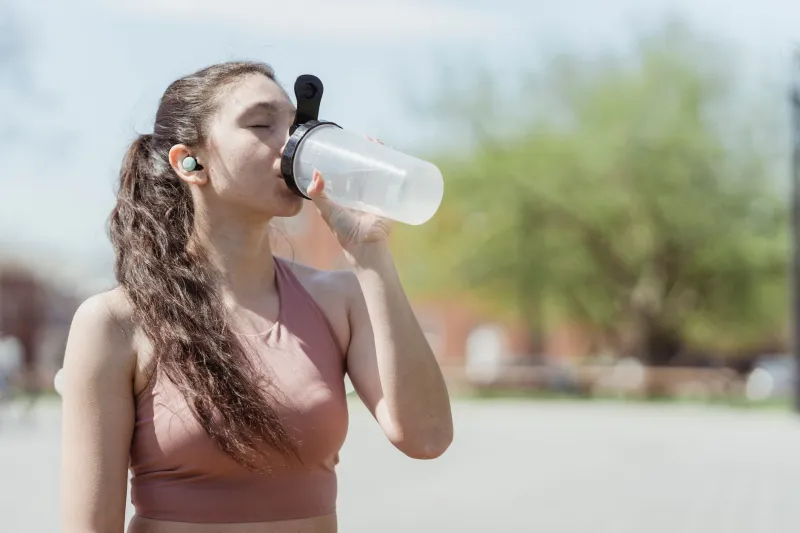
Hydration is a pillar of athletic performance that no serious competitor disputes. The guidance to drink enough water before, during, and after exercise is well established and widely followed. What receives far less attention is the quality of the water being consumed—specifically, whether the mineral composition is appropriate for physiological demand and whether contaminants present in tap or filtered water are silently undermining the very outcomes athletes are working toward.
For recreational exercisers and competitive athletes alike, this distinction matters more than is commonly appreciated.
The Physiology of Performance Hydration
Water is not simply a vehicle for quenching thirst. At the cellular level, it participates directly in energy metabolism, thermoregulation, joint lubrication, and the transport of oxygen and nutrients to working muscle tissue. Even mild dehydration—a body water deficit of as little as 2 percent—has been documented to impair aerobic capacity, reduce strength output, and slow reaction time.
But the body does not use pure H₂O in isolation. Electrolytes dissolved in water—primarily sodium, potassium, magnesium, and calcium—govern fluid balance across cell membranes, facilitate nerve signal transmission, and drive the muscular contractions that power every stride, lift, and stroke. The mineral profile of the water an athlete consumes is therefore not a peripheral concern. It is integral to performance physiology.
Naturally occurring mineral water tends to contain varying concentrations of these electrolytes. Highly purified water, stripped of all dissolved solids through processes such as reverse osmosis, can paradoxically create a mild electrolyte dilution effect when consumed in large volumes during prolonged exercise without accompanying mineral intake. Understanding this dynamic allows athletes to make more informed choices about purification methods and supplementation.
Contaminants That Work Against the Athlete
Beyond mineral balance, the presence of specific contaminants in drinking water poses direct threats to athletic performance and long-term health outcomes that are particularly relevant to physically active individuals.
Chlorine and Chloramine Byproducts
Municipal water systems across the United States treat drinking water with chlorine or chloramine to eliminate harmful pathogens. This is an essential public health measure, but the disinfection process generates byproducts—trihalomethanes and haloacetic acids among them—that have been associated with oxidative stress at the cellular level. For athletes whose training already elevates oxidative stress, additional exposure through high daily water consumption compounds the load that antioxidant systems must manage. Recovery, which depends heavily on the body's ability to repair oxidative damage to muscle tissue, can be measurably affected.
Heavy Metals
Lead, arsenic, and cadmium are present in the water supplies of communities throughout the country, often as a result of aging infrastructure, agricultural runoff, or industrial contamination. These metals interfere with cellular energy production by disrupting mitochondrial function—a particularly consequential effect for endurance athletes whose performance depends on aerobic energy system efficiency. Cadmium, in particular, competes with zinc for absorption, and zinc plays a critical role in testosterone regulation, immune function, and protein synthesis, all of which are directly relevant to training adaptation.
Nitrates
Nitrate contamination, common in agricultural regions of the Midwest and Great Plains, has a well-documented effect on oxygen transport. Elevated nitrate exposure reduces the blood's hemoglobin capacity to carry oxygen, a mechanism that directly limits aerobic performance. For endurance athletes—runners, cyclists, triathletes—even modest reductions in oxygen delivery translate to measurable decrements in sustainable output.
Microplastics
Research into the physiological effects of microplastic ingestion is still developing, but early evidence suggests associations with inflammatory responses and endocrine disruption. Given that active individuals typically consume significantly more water than sedentary counterparts—often three to four liters daily during heavy training—cumulative microplastic exposure from drinking water warrants attention as the science matures.
What Athletes Should Know About Their Water Source
The first step toward informed hydration is understanding what is actually present in the water being consumed. Municipal water utilities in the United States are required under the Safe Drinking Water Act to publish annual Consumer Confidence Reports disclosing detected contaminant levels. These documents are publicly available and provide a baseline understanding of local water quality, though they reflect system-wide averages rather than conditions at a specific tap or household.
Well water, used by approximately 43 million Americans primarily in rural areas, is not subject to federal monitoring requirements and can vary substantially in mineral content and contaminant load depending on local geology and land use. Private well owners bear responsibility for their own testing, and annual testing by a certified laboratory is a sound practice—particularly for athletes who rely heavily on that water source.
For a more granular picture, third-party water testing services allow households to screen for a comprehensive panel of contaminants, including heavy metals, nitrates, chlorination byproducts, and microbiological content. The results provide an actionable foundation for selecting appropriate purification.
Choosing Purification Methods With Performance in Mind
Not all purification technologies are equivalent in what they remove and what they retain, and the distinction matters for athletes.
Reverse osmosis systems are highly effective at removing heavy metals, nitrates, chlorination byproducts, and microplastics. Their thoroughness is also their primary limitation: they remove beneficial minerals along with contaminants. Athletes using reverse osmosis-purified water as their primary hydration source should ensure adequate electrolyte intake through diet or supplementation, particularly during periods of high training volume.
Activated carbon filtration removes chlorine, chloramine, and many organic compounds effectively while preserving naturally occurring minerals. It is less effective against heavy metals and nitrates without additional media. Multi-stage systems that combine carbon filtration with additional treatment steps offer broader coverage.
Whole-house filtration addresses water quality at every point of use, ensuring that water used for cooking and ice production—not just direct drinking—meets a consistent quality standard.
Point-of-use purification systems with verified NSF/ANSI certifications provide reliable performance data and allow athletes to match the technology to the specific contaminants identified in their water testing results.
Practical Recommendations for Active Individuals
Building water quality into a performance framework requires only a few deliberate steps.
Obtain a copy of your municipality's most recent Consumer Confidence Report or commission independent testing for well water. Identify the contaminants of greatest concern given your local conditions. Select a purification system with documented efficacy against those specific contaminants, verified by NSF/ANSI certification where applicable. If using reverse osmosis, audit your electrolyte intake and adjust dietary or supplemental sources accordingly. Replace filters on the manufacturer's recommended schedule—a degraded filter can release accumulated contaminants rather than removing them.
For athletes who travel frequently for competition, portable filtration options and awareness of regional water quality differences can help maintain consistency in hydration practice away from home.
The Performance Variable Most Athletes Overlook
The margins that separate good performance from exceptional performance are often found in the details that competitors overlook. Nutrition periodization, sleep optimization, and recovery modalities receive considerable attention in the athletic community. Water quality, despite its direct relevance to energy metabolism, oxygen transport, and cellular recovery, rarely appears on the same checklist.
The science is sufficiently clear: contaminants in drinking water impair the physiological processes that athletic performance depends upon, and the mineral profile of consumed water influences electrolyte balance in ways that matter during sustained exertion. Addressing water quality is not an ancillary concern for the performance-oriented individual. It is a fundamental component of the same evidence-based approach applied to every other aspect of training and recovery.