Living With Pets and Clean Air: The Hidden Biology Behind What Your Animal Companion Leaves Behind
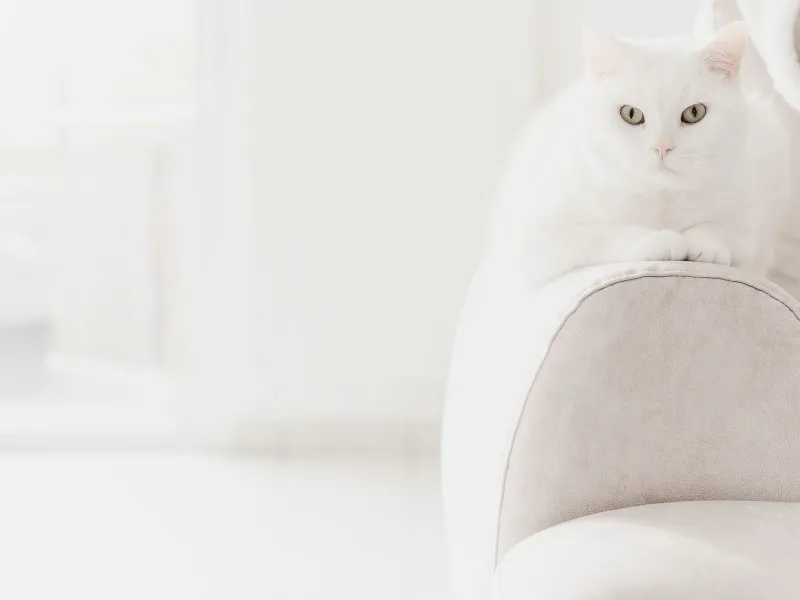
Around 70 percent of American households include at least one pet. Dogs, cats, rabbits, guinea pigs—these animals are woven into the fabric of daily life for tens of millions of families. Yet the conversation about what pet ownership does to indoor air quality rarely extends beyond the obvious: the fur on the couch, the smell near the litter box, the occasional sneeze. The biological reality is considerably more complex, and for health-conscious households, understanding it is the first step toward doing something about it.
Beyond the Fur: What Dander Actually Is
The term "pet dander" is widely used but frequently misunderstood. Dander is not simply loose hair or visible flakes of skin. It refers to microscopic particles of shed skin cells, typically ranging from 0.5 to 10 microns in diameter—small enough that many remain suspended in the air for hours after a pet has left the room. More importantly, it is not the dander itself that triggers allergic responses in most people. The culprit is a set of proteins found in those particles.
In cats, the primary offender is a protein called Fel d 1, produced in the sebaceous glands and salivary glands. When a cat grooms itself, saliva coated with Fel d 1 dries on the fur, flakes off, and becomes airborne. Dogs produce their own suite of allergenic proteins, most notably Can f 1 and Can f 2. These proteins are extraordinarily lightweight and adhesive—they cling to clothing, upholstery, walls, and HVAC ducting, meaning they persist in a home long after a pet is removed from the environment. Studies have detected significant cat allergen levels in homes that have not housed a cat for months.
The Bacterial Dimension Most Pet Owners Miss
Allergen proteins are only part of the picture. Research published in microbiological journals over the past decade has consistently demonstrated that pet-owning households harbor a measurably different and more diverse microbial community than pet-free homes. This includes bacteria transferred from the animal's coat, paws, mouth, and gastrointestinal tract to shared living surfaces.
Some of this microbial diversity may carry modest benefits—certain studies suggest early-life exposure to pet-associated microbes may help calibrate immune responses in children. However, the picture becomes more complicated when considering immunocompromised individuals, elderly residents, or those with existing respiratory conditions. Certain opportunistic pathogens, including Pasteurella species from cats and dogs, can colonize air surfaces and HVAC filters, where they persist and potentially recirculate through a home's ventilation system.
Pet bedding, soft furniture, and low-traffic corners serve as reservoirs where dander-laden particles settle and accumulate. Routine disturbance—vacuuming, a pet shaking itself, a child rolling on the floor—resuspends these particles into the breathing zone.
How HVAC Systems Become Amplifiers
A home's heating and cooling system is designed to circulate air efficiently. In a pet-owning household, it can also function as an efficient distribution network for allergens and microbes. Standard 1-inch fiberglass filters capture large debris but allow sub-10-micron particles—exactly the size range that includes most dander and associated proteins—to pass through with minimal resistance. Those particles then coat the interior surfaces of ductwork, where they accumulate until the next high-airflow cycle sends them back into living spaces.
Higher-efficiency MERV-rated filters offer improved capture rates, but they must be changed more frequently in pet-heavy homes. Some HVAC technicians recommend monthly filter inspection rather than the standard quarterly schedule for households with multiple animals.
Volatile Organic Compounds and Pet-Specific Chemistry
Pets also contribute to indoor VOC loads in ways that are rarely discussed. Animal urine, particularly from cats, contains ammonia and a family of sulfur-containing compounds that volatilize at room temperature. Even after visible staining is cleaned, these compounds can off-gas from subflooring and padding for extended periods. Fecal matter, litter dust (especially clay-based products), and even certain pet foods contribute additional particulate and chemical loads to indoor air. Reptile and bird owners face a distinct set of concerns—bird dander in particular contains fine particulate matter associated with hypersensitivity pneumonitis in susceptible individuals.
Practical Strategies for Pet-Owning Households
The goal is not to choose between your animals and your health. The goal is to manage the air environment with the same intentionality you bring to other aspects of wellness.
Invest in high-performance air purification. A room-level air purifier equipped with a true HEPA filter captures particles down to 0.3 microns at 99.97 percent efficiency—well within the range needed to address dander and associated proteins. Place units in rooms where pets spend the most time and in bedrooms, where overnight exposure is cumulative. Technologies that actively neutralize biological contaminants, rather than simply capturing them, offer an additional layer of protection.
Establish pet-free sleep zones. Keeping animals out of the bedroom reduces overnight allergen exposure significantly. This is not about affection—it is about giving your respiratory system an eight-hour recovery window each night.
Groom animals outdoors when possible. Brushing and bathing pets outside the home dramatically reduces the volume of dander released into indoor air. Regular grooming also removes the surface proteins that become airborne when fur is shed naturally.
Upgrade your filtration and clean ductwork periodically. A MERV-13 filter represents a meaningful improvement over standard options and is compatible with most residential HVAC systems. Professional duct cleaning every two to three years can remove accumulated biological debris that no filter can retroactively address.
Choose hard flooring where feasible. Carpet is a particularly effective reservoir for dander and allergen proteins. Hard flooring allows particles to be removed through damp mopping rather than vacuuming, which—even with HEPA-equipped vacuums—inevitably resuspends some material.
The Long View on Pet Air Quality
American pet ownership has expanded steadily, and the population of health-conscious pet owners is growing alongside it. The instinct to optimize nutrition, exercise, and sleep is well established in this demographic. Indoor air quality deserves the same analytical attention. The science is clear that animals introduce biologically complex material into the home environment—material that does not simply disappear when the pet leaves the room.
With the right combination of purification technology, environmental design, and consistent maintenance habits, living with pets and maintaining genuinely clean indoor air are not mutually exclusive. They require awareness, intention, and the right tools—but the outcome is a home that is healthier for every member of the household, regardless of how many legs they have.